First-Trailer Essentials & Tires
Travel Trailer Maintenance Checklist
Three things cause most expensive travel trailer repairs: water getting in through a failed seal, tires aging out, and wheel bearings running dry. Everything else on this list is cheaper than those.
By Mike M. ·
How this page is funded: we earn a commission if you buy through our links, at no extra cost to you. It never changes which product we rank first. Prices come from Amazon and are read automatically — each one shows the date it was read. Full disclosure.
Quick picks
Three things worth owning before you start, because the first two jobs on this list cannot be done properly without them.
| # | Product | Best for | Score | Price |
|---|---|---|---|---|
| 1 | 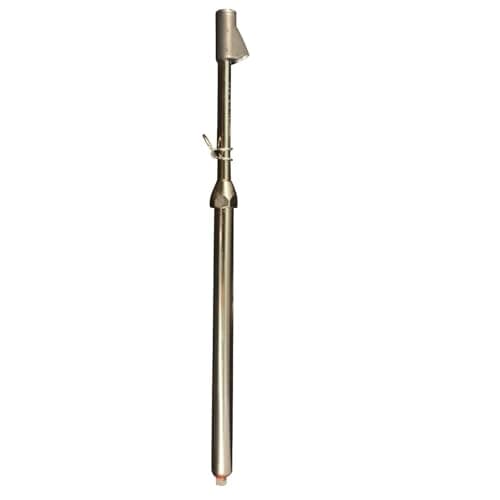 Milton S-986 Dual Head Tire Pressure Gauge, 10-160 psi Trailer tires often run 50-80 psi, which is past the top of a typical car gauge. This one reads to 160 psi and the dual head reaches an inner dually valve. Buy this first | Reading trailer tire pressure that a car gauge cannot | 9.6/ 10 | |
| 2 | 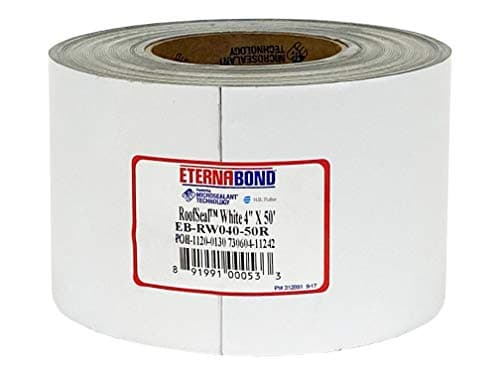 EternaBond RoofSeal Repair Tape, 4 in x 50 ft A 35-mil sealant tape with a long reputation for permanently stopping RV roof and seam leaks. Water damage is the thing that writes off trailers, and this is the field fix. Fixes a leak at a campsite | Stopping a leak you find at a campsite | 8.7/ 10 | |
| 3 | 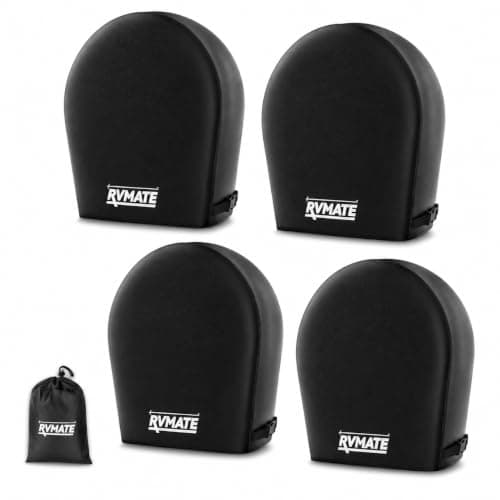 RVMATE RV Tire Covers, 4-Pack, Fits 27-29 in Tires Trailer tires usually die of age and sun rather than tread wear, so covering them during storage is the cheapest life extension available. Four covers, one purchase. Slows the thing that kills tires | Slowing the UV aging that kills trailer tires | 7.9/ 10 |
Tap any row to jump to the full write-up. Prices come from Amazon and are read automatically — see each product below for the date.
The short answer
A travel trailer is a house that gets driven through a storm at 65 mph. The maintenance list is long because it combines a building’s envelope with a vehicle’s running gear, and the two fail in completely different ways. Organizing it by interval is the only way it gets done.
Water intrusion: the slow leak through a sealant failure on the roof, around a vent, a skylight, a window or the front cap. It is the most expensive failure on a travel trailer because by the time there is a visible stain inside, the damage is in the structure, not the ceiling panel.
Before every trip
01Tire pressure, cold, with a real gauge
Set to the pressure on the tire sidewall, not a car number. Do it cold, before driving. The PSI guide explains why trailer tires are different.02Lug nut torque
Re-torque after any wheel has been off, and check before a long trip. Loose lug nuts are a common and preventable roadside failure.03Lights, all of them, with someone watching
Running, brake, turn, and the 7-pin's brake output if you tow with a controller.04Hitch, chains, breakaway cable
Coupler latched and pinned, chains crossed, breakaway cable attached to the truck and not to the hitch. The departure checklist covers the full hookup sequence.05Weight distribution hitch tension
Bars seated, brackets latched, and the measured fender height restored. The setup guide covers the measurements.06Roof vents, antenna, steps and awning
Closed, down, retracted and secured. The expensive version of this mistake is a roof vent lid on the highway.
Monthly, in season
01Tire condition and sidewall cracking
Look for cracking at the sidewall and between the treads. Trailer tires fail from age and heat, not from wearing out.02Battery terminals and water level
Clean terminals, and check electrolyte level if your batteries are serviceable lead-acid rather than sealed.03Propane connections and leak check
Soapy water at the fittings. Never a flame. Replace the regulator cover if it is split.04Water heater and plumbing for drips
Look under the sink and at the water heater. A weeping relief valve is often a pressure problem — check your regulator setting.05Smoke, CO and propane alarms
Press the test button on each. These expire on a date printed on the unit; replace rather than ignore.06Sewer hose and fittings for splits
Inspect the helix at crush points. The hose roundup covers replacement.
Twice a year: the seal inspection
This is the job that saves trailers, and it takes an hour. Get on the roof if it is rated to walk on, or use a ladder and look, and inspect every penetration: the front and rear caps, every vent, the skylight, the antenna base, the refrigerator vent, and the full length of both roof-to-sidewall joints. Then do the windows, the door frame and the running lights on the sides.
You are looking for sealant that has cracked, lifted at an edge, gone chalky, or pulled away from a flange. Any of those is a path for water. Catch it at the sealant stage and the repair is a tube of lap sealant or a strip of repair tape; miss it and the repair is structural.
| Location | What to look for | If you find it |
|---|---|---|
| Roof vents and skylight | Cracked or lifted lap sealant at the flange | Clean and reseal with lap sealant |
| Roof-to-sidewall joint | Sealant pulled away, gaps at corners | Reseal; this joint matters most |
| Front and rear caps | Hairline cracks in the seam sealant | Reseal before a season of rain |
| Windows and door frame | Chalky or shrunken sealant | Reseal with the correct sealant for the surface |
| Refrigerator and furnace vents | Lifted edges, insect nests | Clear, inspect, reseal |
| Anywhere already stained inside | Soft spot in ceiling or wall | Stop and get it assessed - this is past sealant |
Repair tape is the thing to carry for the version of this you discover on a trip. A 4 in roll of a UV-stable, waterproof repair tape will stop an active leak at a campsite and hold until you can do the job properly, and the roll costs a tiny fraction of one water-damage repair.
The common mistake
Annually
01Wheel bearings repacked or inspected
Follow your axle maker's stated interval, commonly expressed in miles or years. Dry bearings seize, and a seized bearing at highway speed is a serious failure.02Brakes inspected and adjusted
Magnets, shoes and drums. If the trailer brakes feel weak and the controller is set correctly, work the fault tree before assuming the controller.03Tire age check against the DOT date code
Four digits on the sidewall give week and year of manufacture. Trailer tires age out on a timeline, not a tread depth — how long trailer tires last. When the set is due, buy by size and load range: ST205/75R15 or ST225/75R15.04Water system sanitized
Before the first trip of the season, following your trailer manual’s procedure for its fresh water system. The sanitizer roundup covers the products and the order to do it in — and why the inline filter is not the same job.05Stabilizer jacks worked through their full travel
Run each one all the way down and back up, and grease the lead screw. Seized jacks are the usual reason a set gets replaced, and the stabilizer jack roundup covers what to buy when they are past saving.06Propane system inspected
Regulator, hoses and appliance connections. Cylinders have their own recertification dates stamped on the collar.07Suspension, shackles and U-bolts
Look for elongated shackle holes, cracked leaf springs and loose U-bolts. Cheap to fix and expensive to ignore.08Covers on for storage
UV is what ages trailer tires fastest when parked. Tire covers are the cheapest life extension available.
What to remember
- Water intrusion, tire age and dry wheel bearings cause most expensive failures.
- Inspect every roof and sidewall penetration twice a year. It takes about an hour.
- Carry repair tape so a leak found on a trip can be stopped the same day.
- Set tire pressure cold, to the sidewall number, with a real gauge.
- Replace trailer tires on their DOT date code, not on tread depth.
- Never pressure-wash seals - it lifts the sealant you are trying to protect.
How we built this list
This checklist is organized from the published maintenance intervals and procedures that trailer, axle and appliance makers state in their own documentation, plus the tire age and inflation guidance published by NHTSA. We have not serviced a fleet of trailers and we do not publish specific intervals as though we had measured them: where an interval matters, your own axle, appliance and trailer manuals state it and those documents govern. The three products above are registry picks for the first two jobs on the list; our method is on how we pick.
The picks in full
Milton S-986 Dual Head Tire Pressure Gauge, 10-160 psi
Milton · Best for reading trailer tire pressure that a car gauge cannot
Trailer tires often run 50-80 psi, which is past the top of a typical car gauge. This one reads to 160 psi and the dual head reaches an inner dually valve.
Key specifications
- Range
- 10-160 psi
- Head
- Dual head chuck
- Type
- Straight foot, mechanical
- Model
- S-986
How it scored
- How often you use it (40%)10
- Build quality (25%)9
- Takes up little room (20%)9
- Price for capability (15%)10
Weighted average of the figures above. We did not test this product — see how we pick.
What it does well
- Range actually covers trailer tire pressures
- Dual head reaches awkward and inner valves
- Mechanical — no battery to die in a cold trailer
What it is bad at
- Analog scale is harder to read precisely than a digital gauge
- No calibration certificate
- Brass head is heavy in a pocket
Price as of October 21, 2026. #ad How this is funded
EternaBond RoofSeal Repair Tape, 4 in x 50 ft
EternaBond · Best for stopping a leak you find at a campsite
A 35-mil sealant tape with a long reputation for permanently stopping RV roof and seam leaks. Water damage is the thing that writes off trailers, and this is the field fix.
Key specifications
- Size
- 4 in x 50 ft
- Thickness
- 35 mil total
- Properties
- UV stable, waterproof, airtight
- Part
- EB-RW040-50R
How it scored
- How often you use it (40%)9
- Build quality (25%)10
- Takes up little room (20%)7
- Price for capability (15%)8
Weighted average of the figures above. We did not test this product — see how we pick.
What it does well
- The field repair most owners name when a leak starts
- One-step: clean, press down, done
- UV stable, so the repair survives the next summer
What it is bad at
- Essentially permanent — removing it is unpleasant
- Needs a genuinely clean, dry surface to bond
- A whole 50 ft roll is more than one repair needs
Price as of October 21, 2026. #ad How this is funded
RVMATE RV Tire Covers, 4-Pack, Fits 27-29 in Tires
RVMATE · Best for slowing the uv aging that kills trailer tires
Trailer tires usually die of age and sun rather than tread wear, so covering them during storage is the cheapest life extension available. Four covers, one purchase.
Key specifications
- Pack
- 4 covers
- Fits
- 27-29 in diameter tires
- Material
- Waterproof fabric
- Use
- Storage and seasonal parking
How it scored
- How often you use it (40%)8
- Build quality (25%)7
- Takes up little room (20%)7
- Price for capability (15%)10
Weighted average of the figures above. We did not test this product — see how we pick.
What it does well
- Directly addresses UV, the usual cause of trailer tire failure
- Four covers for less than one tire costs
- Quick to fit and remove
What it is bad at
- Measure your tire diameter — 27-29 in does not fit every trailer
- Fabric covers can trap moisture if fitted wet
- They flap and wear in constant wind
Price as of October 21, 2026. #ad How this is funded
Common questions
Pre-trip checks every time, a monthly walk-round in season, a full seal inspection twice a year, and bearings, brakes, tires and propane annually.
Inspect twice a year and reseal what has failed, rather than on a calendar. Sun exposure drives sealant life more than time does.
On the interval your axle maker publishes, usually stated in miles or years, whichever comes first. Check the axle documentation, not the trailer brochure.
Water damage from a failed seal. A visible stain means the water is already in the structure. Two hours a year of seal inspection prevents most of it.
Sources
- EternaBond published RoofSeal repair tape specifications — read October 2026
- NHTSA tire safety information, including age and inflation guidance — read October 2026
- ANSI/RVIA standards for recreational vehicle systems — read October 2026