Towing capacity is the number on the brochure. Payload is the number that stops you. They are not the same thing and the gap between them is where most first-time trailer owners discover they have bought a trailer their truck cannot legally pull.
Here is the arithmetic in plain terms. Your truck has a sticker inside the driver’s door frame giving the maximum combined weight of passengers and cargo it may carry. The trailer’s loaded tongue weight sits in the bed, effectively, and counts against that number — typically 10–15% of the trailer’s loaded weight for a bumper-pull travel trailer. Add your family, the cooler, the generator, the firewood and the dog. On a half-ton truck rated to tow 9,000 lb, the payload sticker often says something like 1,500 lb, and a 7,000 lb trailer with 850 lb on the tongue plus four people and gear is already over it. The truck will tow it. The sticker says it should not.
What to buy first
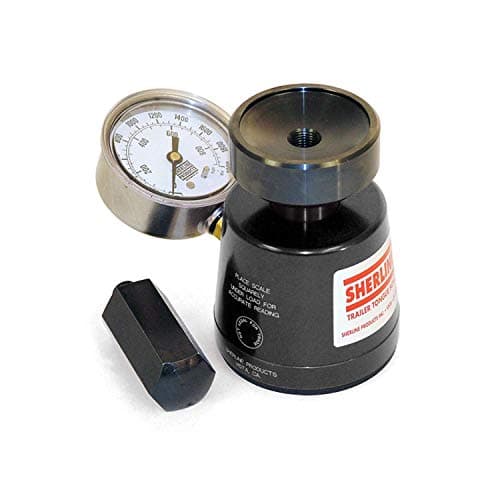
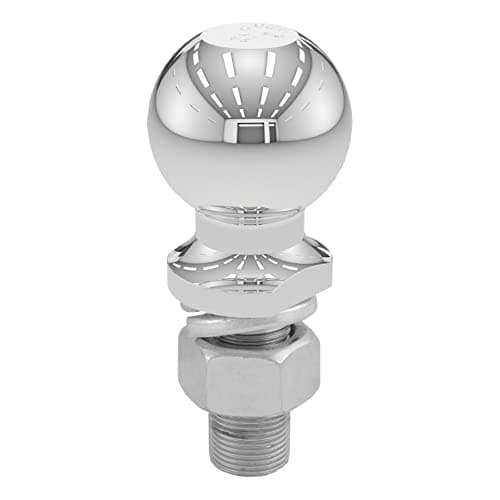
In order: a way to measure tongue weight, a brake controller if your vehicle does not have one built in, and the correct ball for your coupler. Everything else in this section is refinement.
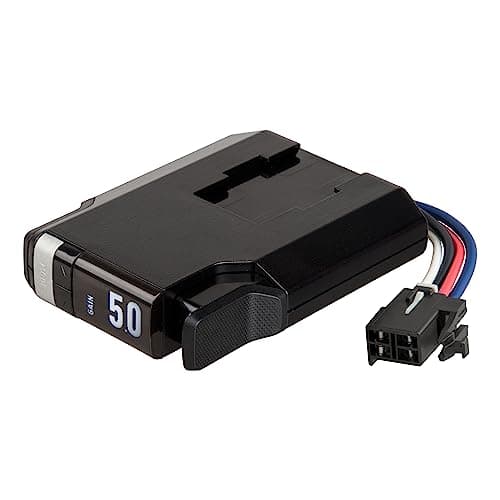
Trailer brakes are not optional on anything heavy. Most states require them above a threshold in the 1,500–3,000 lb range, and every travel trailer worth the name has electric drum or disc brakes that need a controller in the tow vehicle to work at all. If your truck has a factory tow package there is usually a controller built into the dash; if not, you are fitting one. Proportional versus time-delay is the only specification that genuinely changes how the rig feels, and proportional is worth the money.
The common mistake
Reading the towing capacity in the brochure for “your truck” rather than the stickers on your truck. Capacity varies by cab, bed, axle ratio and drivetrain on the same model year, sometimes by thousands of pounds. The door-jamb sticker and the towing section of your own owner’s manual are the only figures that apply to you.
How this section divides
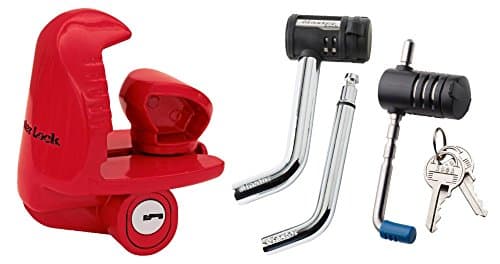
The capacity pages come first because they decide everything else: how much can my truck tow, payload vs towing capacity, and all three numbers side by side. Then the measuring: how to measure tongue weight, which is the one practical skill this whole site depends on. Then the hardware — brake controllers, ball mounts, drop hitches and locks — and the reference tables for hitch classes, ball sizes and receiver sizes.
What decides price
Brake controllers split cleanly: a time-delay unit is cheap and applies a fixed amount of braking regardless of how hard you are stopping; a proportional unit senses deceleration and brakes the trailer in step with the truck. The step up is roughly double the money and it is the difference between a trailer that shoves you in traffic and one you stop noticing. Beyond that, you pay for install convenience: a plug-in Bluetooth controller costs more than a hardwired one because it saves you an afternoon under the dash.
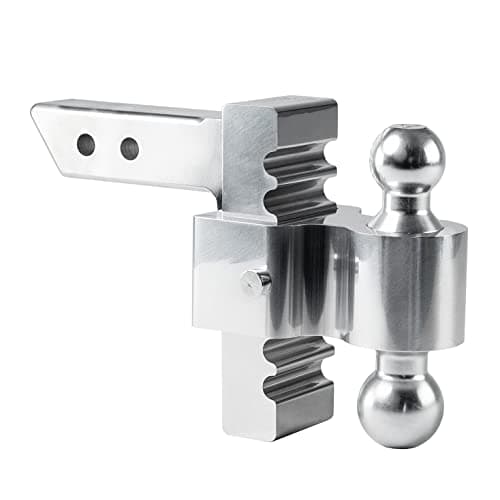
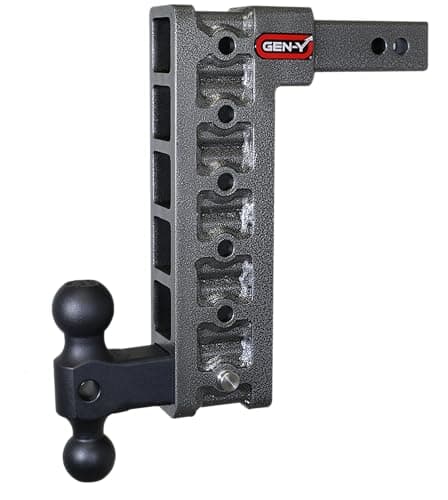
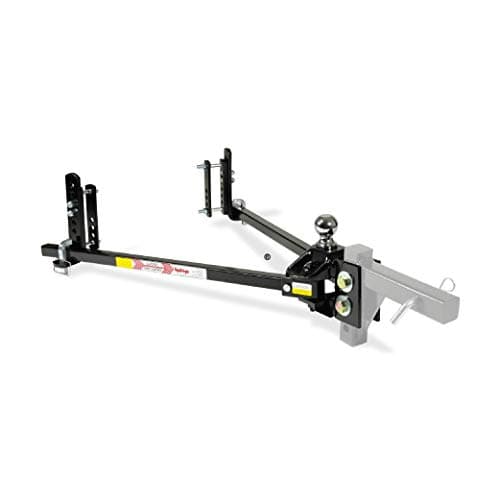
Ball mounts price on material and adjustability. A fixed steel mount is a commodity. An adjustable aluminum mount costs several times as much and earns it only if you tow two trailers at different heights or have a lifted truck. A mount with a tongue-weight scale built in costs more again and is the one upgrade that changes behavior, because it puts the number in front of you every time you couple up instead of once a season.
One standards note worth knowing: SAE J2807 is the industry test procedure that modern tow ratings are established under — it covers acceleration, braking and a specific grade climb with a loaded trailer. When a manufacturer quotes a tow rating today it generally means a J2807 rating, which makes cross-brand comparison meaningful in a way it was not fifteen years ago.